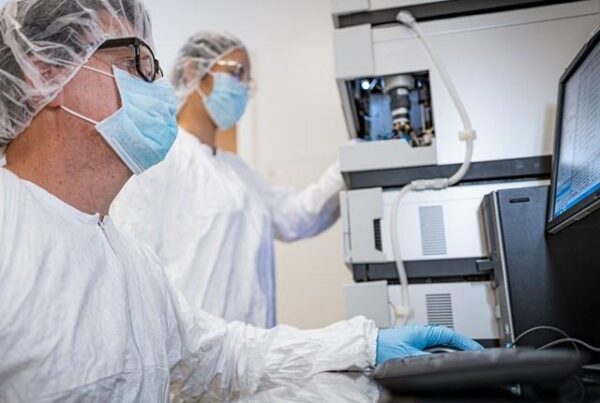
In a market where visual presentation and pricing can sometimes be misleading, Peptiqo focuses on something more durable: traceable quality and reproducible results.
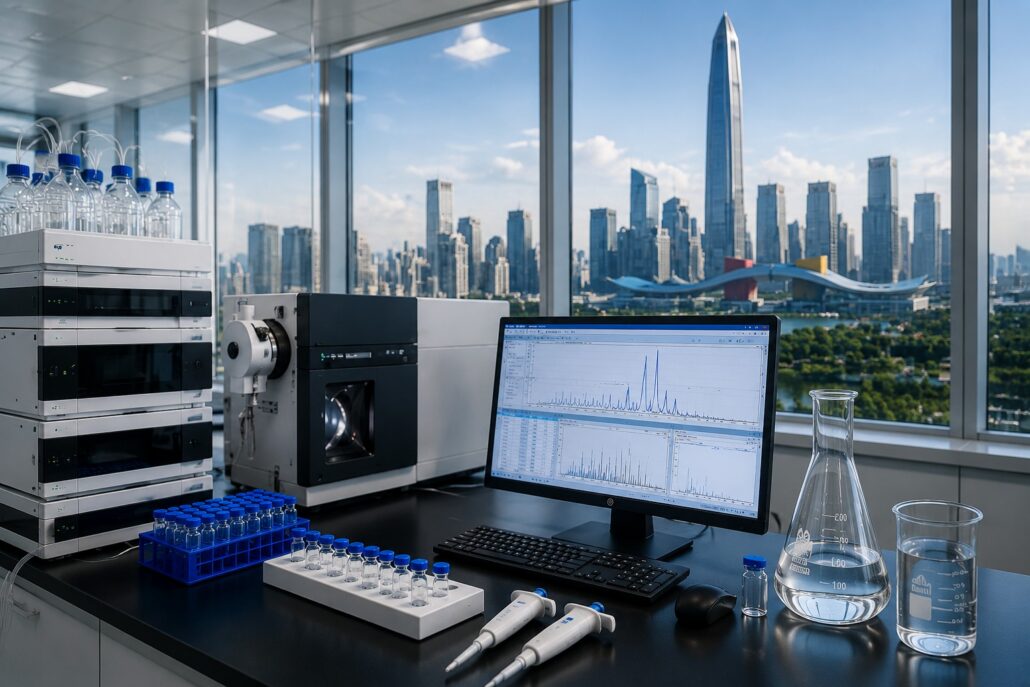
Over the past decade, China has transformed into one of the world’s most important centers for peptide research, synthesis, and biotechnology manufacturing.
Driven by advances in biotechnology, increasing global demand for peptide-based therapies, and rapid growth in areas such as GLP-1 research, Chinese peptide manufacturers are becoming increasingly important partners for companies and researchers worldwide.
Today, China’s peptide ecosystem covers a wide range of capabilities, from raw material production and peptide synthesis to purification, analytical testing, and large-scale manufacturing. This development has positioned China as a key player in the future growth of the global peptide industry.
Why Is the Peptide Industry Growing So Quickly?
The global peptide industry is experiencing significant growth due to advances in science, improved manufacturing capabilities, and increasing interest in peptide-based applications.
One of the strongest drivers of this growth has been the success of peptide-based metabolic research, particularly in the field of GLP-1 related compounds. The development of innovative peptide molecules has demonstrated the potential of peptide technology and encouraged further investment into research, manufacturing, and biotechnology infrastructure.
As the industry continues to develop, researchers are exploring new generations of peptide technology, including more advanced molecules, improved delivery methods, and broader applications across different areas of biomedical research.
China’s Advantage in Peptide Manufacturing
China’s growing position in the peptide industry is built on decades of experience in pharmaceutical manufacturing, chemical engineering, and biotechnology development.
The country has developed strong capabilities in peptide synthesis, purification technology, analytical testing, and production scale-up. These capabilities allow Chinese companies to support projects ranging from early-stage research to larger-scale manufacturing requirements.
Another important advantage is China’s complete biotechnology supply chain. Peptide production requires a wide range of supporting materials and technologies, including amino acids, synthesis reagents, purification equipment, and laboratory testing systems. Over time, China has developed a comprehensive ecosystem that supports efficient peptide manufacturing from beginning to end.
The Rise of Chinese Peptide CDMO Companies
One of the most important trends in the industry is the rapid development of Chinese peptide CDMO (Contract Development and Manufacturing Organization) companies.
In the past, many companies viewed China primarily as a manufacturing location. Today, Chinese biotechnology companies are increasingly becoming strategic partners for international pharmaceutical and research organizations by providing advanced development and production capabilities.
Modern peptide CDMO companies are no longer focused only on production volume. They are investing in process development, quality systems, analytical capabilities, and advanced manufacturing technologies to support the complete peptide development process.
This shift represents a major change in the industry, with China moving from a production-focused role toward becoming an important center for peptide innovation and development.
Quality Control: The Next Stage of Competition
As peptide manufacturing capacity continues to expand, the industry is entering a new stage of competition.
In the early stages of market development, many companies competed mainly on production capability and cost. However, as more suppliers enter the market, quality, consistency, and transparency are becoming increasingly important factors.
Reliable peptide production requires strong quality control systems, including accurate analytical testing, batch consistency verification, and detailed product documentation.
Advanced testing methods such as HPLC (High Performance Liquid Chromatography) and Mass Spectrometry help confirm peptide identity, purity, and quality. As the global peptide market continues to mature, companies that prioritize transparency and quality will have a stronger position in the international market.
The Role of Synthera Biolabs and Peptiqo
At Synthera Biolabs, we believe China’s biotechnology development provides an important foundation for the future of peptide research.
Our goal is to connect advanced Chinese peptide manufacturing capabilities with researchers, companies, and partners around the world. Through our Peptiqo brand, we focus on providing reliable peptide research products supported by quality-focused manufacturing, transparent information, and professional international service.
We believe that the future of the peptide industry is not only about manufacturing more products. It is about building trust through quality, consistency, and responsible communication.
By combining China’s manufacturing expertise with international standards of service and transparency, Synthera Biolabs and Peptiqo aim to help bridge the gap between advanced biotechnology and global research communities.
The Future of China’s Peptide Industry
The future development of China’s peptide industry will continue to be shaped by innovation, technology, and international cooperation.
Artificial intelligence is beginning to influence peptide discovery and development, helping researchers explore new possibilities more efficiently. At the same time, improvements in delivery technology and manufacturing processes will continue expanding the potential applications of peptide research.
As global demand for peptides increases, Chinese manufacturers are expected to play an increasingly important role in supporting biotechnology companies, pharmaceutical developers, and research organizations worldwide.
The future of the peptide industry will not be defined by manufacturing capacity alone. Success will depend on the combination of technology, quality, transparency, and strong global partnerships.
Conclusion
China’s peptide industry has developed from a manufacturing-focused sector into a complete biotechnology ecosystem.
With advanced production capabilities, a strong supply chain, and growing expertise in peptide research and development, China is positioned to remain an important force in the future of global peptide innovation.
For researchers and companies seeking peptide partners, the most important considerations are no longer only price and availability. The future belongs to organizations that combine advanced technology, reliable manufacturing, strict quality control, and transparent communication.
At Synthera Biolabs and Peptiqo, we are committed to being part of this future by supporting the continued growth of peptide research through quality, innovation, and international cooperation.