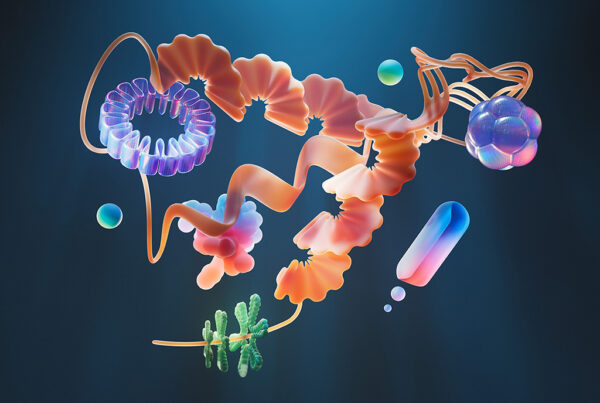
Peptides are short chains of amino acids connected together through peptide bonds. Amino acids are the building blocks of proteins, and peptides represent smaller biological molecules that play important roles in many natural processes.
Introduction: The Rapid Growth of Peptide Research
Peptides have become one of the fastest-growing areas in modern biotechnology.
From pharmaceutical research and metabolic studies to longevity science and advanced biomedical applications, peptides are attracting increasing attention from researchers and biotechnology companies around the world.
Advances in peptide synthesis, manufacturing technology, and analytical testing have made it possible to produce more complex peptide molecules with improved consistency and reliability.
As interest in peptide research continues to grow, one factor has become more important than ever:
Quality and transparency.
At Peptiqo, our goal is to support the future of peptide research by providing high-quality peptide products backed by professional manufacturing processes, testing, and scientific information.
What Are Peptides?
Peptides are short chains of amino acids connected together through peptide bonds. Amino acids are the building blocks of proteins, and peptides represent smaller biological molecules that play important roles in many natural processes.
Because of their unique properties, peptides have become an important area of study in biotechnology and pharmaceutical research.
Scientists continue to explore peptides in areas including:
- Metabolic research
- Cellular signaling studies
- Regenerative research
- Longevity research
- Drug development
The ability to design specific peptide sequences has made peptide technology an important tool in modern scientific research.
Why Is Peptide Research Growing?
The peptide industry has experienced significant growth due to advances in biotechnology and increased scientific interest.
Several factors are driving this growth:
Advances in Biotechnology
Improved peptide synthesis methods have allowed researchers to develop more complex peptide sequences and study their potential applications.
Growing Interest in Metabolic Research
Research involving peptide-based molecules, including GLP-1 related compounds, has significantly increased global awareness of peptide technology.
Improved Manufacturing Technology
Modern peptide manufacturing allows companies to produce peptides with greater consistency, purity, and quality control.
How Are Peptides Manufactured?
Peptide manufacturing is a highly technical process that requires specialized equipment, scientific expertise, and strict quality control.
One of the most common methods used in peptide production is:
Solid Phase Peptide Synthesis (SPPS)
During SPPS, amino acids are gradually added together in a controlled sequence to create the desired peptide chain.
After synthesis, the peptide undergoes additional processing steps, including:
- Cleavage
- Purification
- Drying
- Analytical testing
Each step is important to ensure product consistency and quality.
The Importance of Peptide Quality Testing
As the peptide industry grows, quality verification has become increasingly important.
Reliable peptide production requires accurate testing to confirm:
- Peptide identity
- Purity level
- Batch consistency
- Manufacturing quality
Common analytical techniques include:
HPLC Testing
High Performance Liquid Chromatography (HPLC) is commonly used to measure peptide purity and identify potential impurities.
Mass Spectrometry (MS)
Mass Spectrometry helps confirm the molecular weight and identity of peptide molecules.
Together, these testing methods provide valuable information about peptide quality.
Synthera Biolabs: Supporting Advanced Peptide Manufacturing
Synthera Biolabs is a biotechnology company focused on peptide manufacturing and research support.
Through advanced production capabilities and quality-focused processes, Synthera Biolabs supports the development and supply of peptide products for international markets.
Our focus is built around:
- Reliable peptide production
- Consistent manufacturing processes
- Quality-focused standards
- International cooperation
By combining biotechnology expertise with modern manufacturing capabilities, Synthera Biolabs helps bridge the connection between peptide innovation and global research demand.
Peptiqo: Making Peptide Research More Accessible
Peptiqo was created to provide researchers and customers worldwide with easier access to quality peptide products.
We believe that the future of peptide research depends on three important principles:
Quality
Every peptide product should be produced with attention to consistency and reliability.
Transparency
Customers should have access to clear product information and testing documentation.
Education
Understanding peptides and their applications is essential for responsible research.
Through our educational resources and product information, Peptiqo aims to make peptide research knowledge more accessible.
The Future of Peptide Biotechnology
The peptide industry is entering an exciting new stage.
Future developments are expected to include:
- New peptide-based therapies
- Improved manufacturing technology
- Artificial intelligence-assisted peptide discovery
- More advanced delivery methods
- Greater accessibility to peptide research
As technology continues to develop, peptides will remain an important area of scientific innovation.
Frequently Asked Questions About Peptides
What are peptides used for?
Peptides are studied in many areas of biotechnology, including metabolic research, cellular signaling, regenerative research, and pharmaceutical development.
How are research peptides made?
Research peptides are produced through controlled synthesis processes where amino acids are assembled into specific sequences before purification and testing.
Why is peptide purity important?
Purity testing helps confirm that a peptide product contains the intended molecule and meets quality expectations.
What is HPLC peptide testing?
HPLC is an analytical method used to measure peptide purity and identify possible impurities.
What is the difference between peptides and proteins?
Peptides and proteins are both made from amino acids. Peptides are generally shorter chains, while proteins are larger and more complex structures.
Conclusion
Peptides represent one of the most promising areas of modern biotechnology.
As research continues to advance, quality manufacturing, accurate testing, and reliable information will become increasingly important.
Through Synthera Biolabs and Peptiqo, we are committed to supporting the future of peptide research by combining biotechnology expertise, manufacturing capabilities, and a focus on transparency